In a recognition that affirms more than a decade of patient groundwork in some of the Region’s most underserved localities, the Department of Science and Technology (DOST) Community Empowerment thru Science and Technology (CEST) Program, a flagship program of the Agency was named Best Government Non-Infrastructure Project in the 2024 Search for Project Implementation and Monitoring Excellence (DavPrIME).
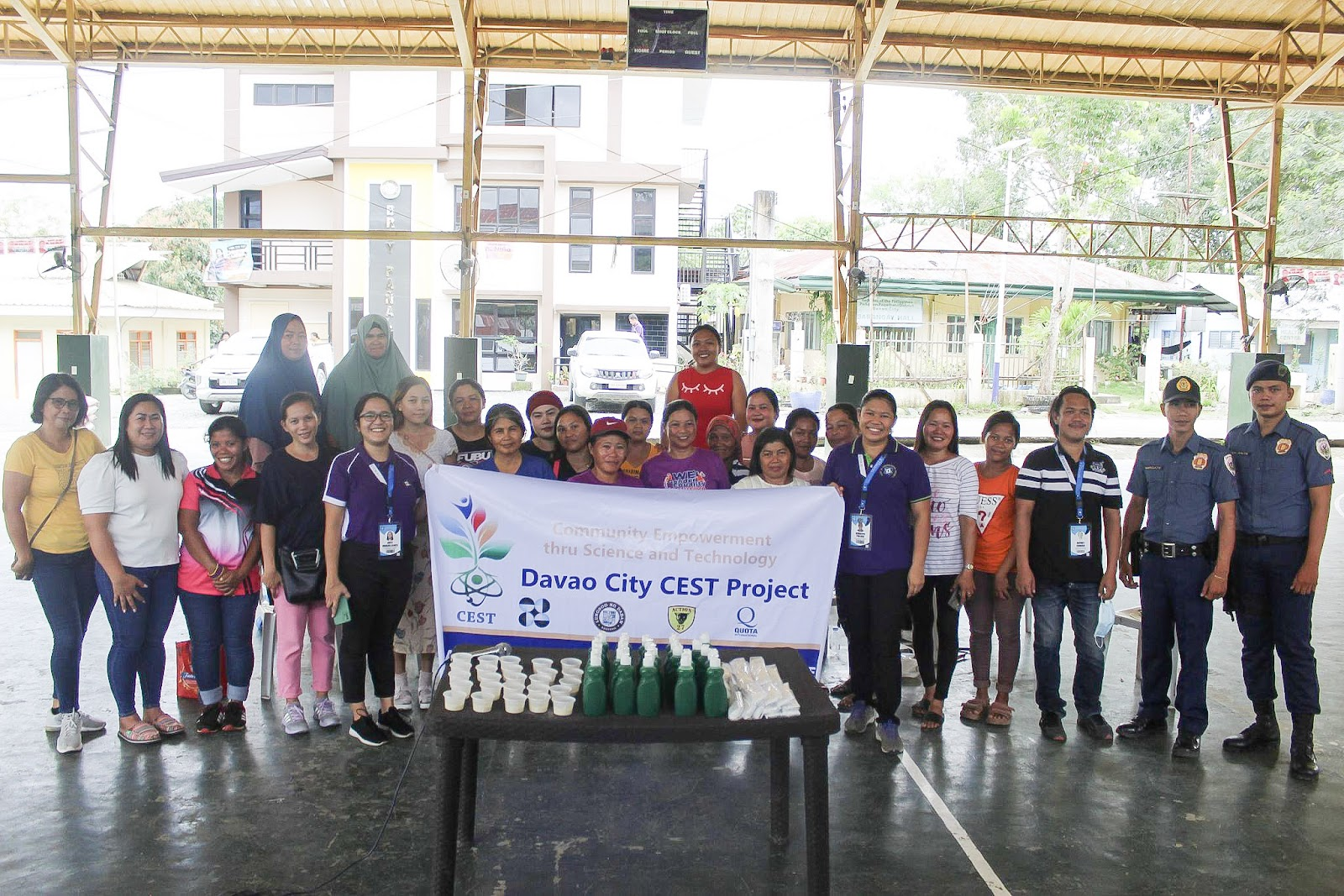
CEST has been implemented in the region since 2013. It continues to reach communities that have limited access to health services, livelihood opportunities, education resources, and science based technologies. These include Indigenous Peoples communities, women’s groups, conflict affected areas, and the most remote barangays across Davao City, Davao Oriental, Davao del Norte, Davao del Sur, and Davao Occidental. In total, sixty four communities have benefited from the program.
The DavPrIME evaluators highlighted how CEST interventions are tailored to the specific needs of each locality. In Davao del Sur, a nutrition project that used DOST developed food products helped reduce the number of wasted schoolchildren within one year. In Davao Occidental, women’s associations that trained under CEST continue to manage weaving, pottery, and food processing activities that strengthened their household incomes. In Davao de Oro, the program helped boost the local jewelry sector and encouraged other agencies to support artisans through additional training opportunities.
In Davao City and Davao del Norte, CEST expanded access to digital science resources through installations of digital libraries in remote schools. The program also provided environmental protection technologies such as solar lamps and waste processing tools that supported barangay initiatives in off grid and underserved sitios.
In Davao Oriental, communities received support in environmental conservation, disaster preparedness, and education. These included the deployment of science based information tools in schools, livelihood training for coastal associations, and equipment for environmental protection activities in areas that had long needed support for both economic resilience and climate readiness.
The program’s monitoring mechanisms were also cited as a major strength. DOST Davao conducted consistent field visits, follow up consultations, and equipment inspections to ensure that interventions remained functional and relevant. This approach allowed the program to maintain progress even when faced with disruptions, including delays during the pandemic period.
DOST Davao Regional Director Dr. Anthony C. Sales, CESO III, said the award affirms the value of science based interventions at the grassroots level.
“The CEST Program succeeds because it grows with the communities. We listen, we collaborate, and we make sure people are able to use the technologies confidently and sustainably. This recognition belongs to our partners who continue to show that science can uplift communities in practical and meaningful ways,” he said.
DavPrIME is an annual assessment of government initiatives by the Regional Development Council XI, which evaluates programs based on planning, execution, monitoring, and measurable community benefits.
About the Author